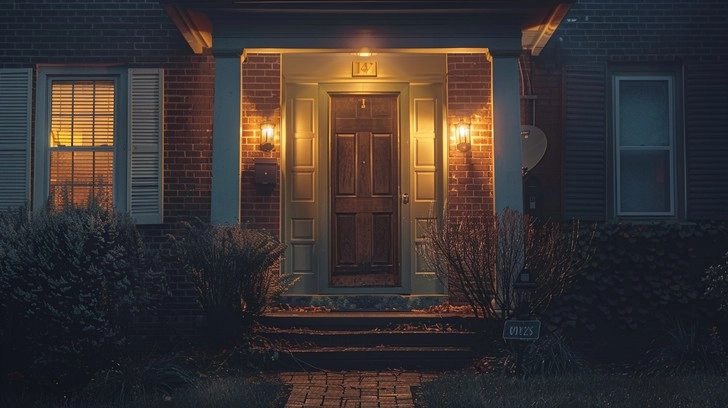
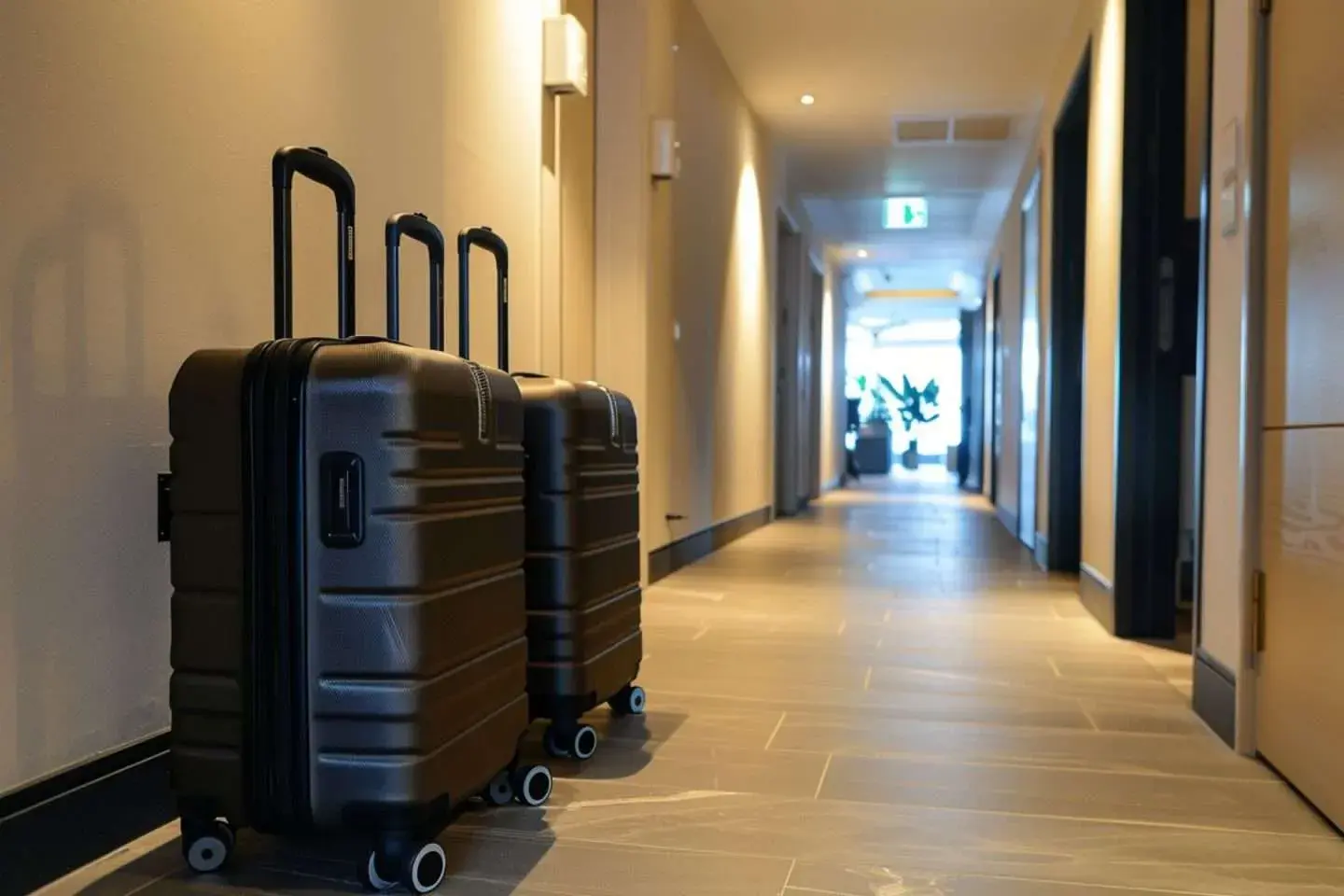
What “quiet center” usually means when you arrive
The first night I trusted those two words, a metal shutter rolled up under the window before the sky changed. The bed matched the photograph. The street had a job that started earlier than I did.

Hosts reach for “quiet center” when they need one line to do two jobs. “Center” places the pin near a cluster of stops. “Quiet” asks you to imagine the pillow. After dark those jobs pull apart. A central block is central because other people still work on it: kitchens, loading, late doors. Quiet is a hope about sound, not a measurement.
I now split the phrase before I look at the sofa. If the listing leans on “center,” I ask what stays open late and what opens first. If it leans on “quiet,” I ask which wall the bed faces. When both words sit in the same sentence, I treat the sentence as unfinished.
Read the guest notes for hours, not moods
Adjectives in reviews are cheap. Hours are not. I stop scanning for “lovely” and look for the time of day someone bothered to mention. Three marks keep turning up, and they are more reliable than the caption.
- A passing mention of a van, a cage of bottles, or a grate that “starts early.” That is usually a loading slot, not a one-off.
- A guest who praised the “energy” and also wrote that they bought earplugs. The energy is the street’s night work.
- A line that the lane “only sleeps after lunch.” That is a confession about the morning and the evening.
If two notes name the same door or the same hour, believe the hour. One rave about a silent stay can be a person who sleeps through anything. Two notes about the same shutter are a timetable.
When the same words are still fair
The phrase is not empty in every listing. I have stayed in a room sold this way where the bedroom looked into a court and the livelier entrance sat a floor below, facing the shops. The wording was clumsy. The stay was workable because the window did not take the street.
A fair version usually has one of these facts attached, even if they sit in a later message rather than in the caption:
- The sleeping room faces a court, a roof, or a wall, not the shop front.
- The host can name when the nearest kitchen or service door actually closes.
- Someone has already asked to move rooms, and the host can say what changed.
If the reply comes back as another mood word — peaceful, calm, tucked away — you still do not have a fact. Ask once more, about the window and the hour. If the second answer stays soft, the listing is selling a feeling.
A street that is still at noon has only told you about noon. The useful question is what it does before breakfast and after the kitchens close.
What you trade if you want both
Insisting on a central pin and a silent night usually costs something else: stairs, a smaller room, or a walk that is no longer short. I would rather name that trade before the booking locks. If you need sleep before an early start, take the inner window or the slightly farther door. If you want to step straight onto the busy lane, drop “quiet” from your own list and pack for the sound.
The phrase is a compression, not a verdict. Unpack it while you can still change the pin. Once the key is in the lock, the shutter will keep its hour whether the caption liked it or not.