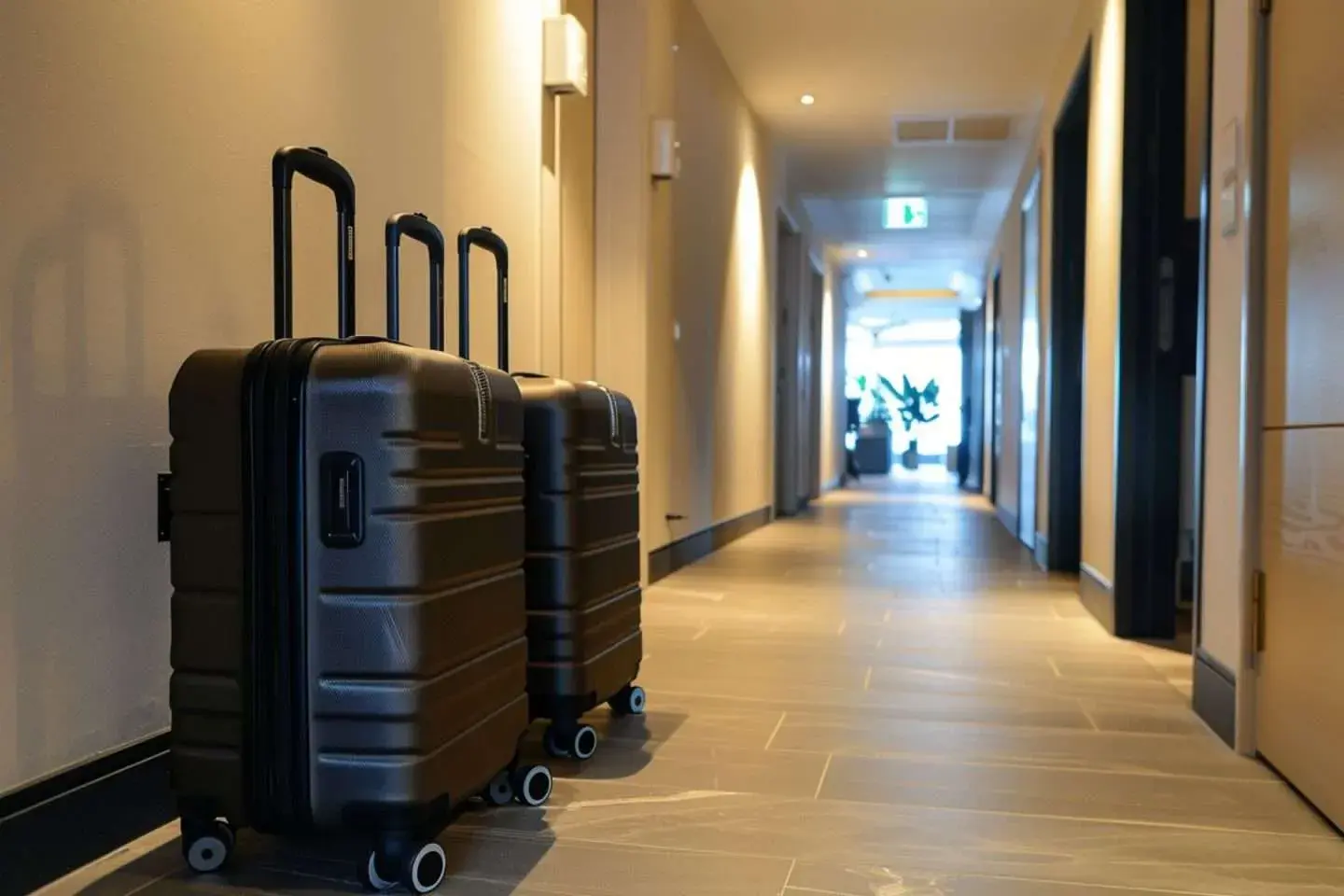
Questions the listing leaves out

Elise Navarro 3 min read

I once stood on a dark step with a code that opened the wrong door. The listing had a bright kitchen and a sentence about “easy access.” The street door had locked an hour earlier, and the working entrance was a side hall with no sign.
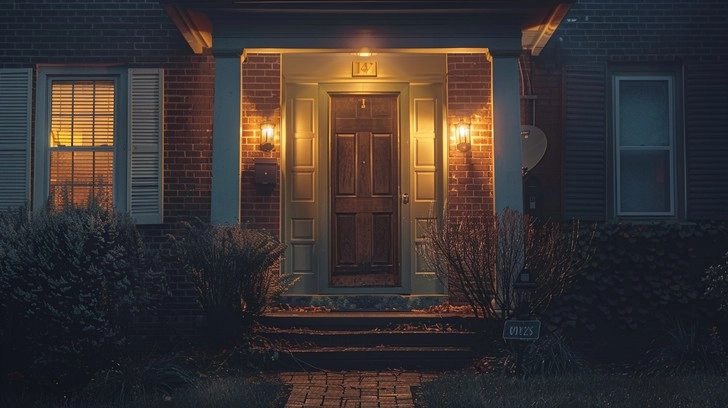
Residential building entrance after dusk, a dim porch light over a heavy door, a row of unlabeled bells, wet steps, and a narrow sidewalk fading into the next block, 1200x800

Captions sell the room they can photograph. They skip the parts that decide the first twenty minutes: which door still works after dark, how many stairs sit between that door and the bed, and when someone will actually hand you a key. Those lines feel too dull for a listing. They are the lines that matter when you arrive tired.

I no longer wait for the host to volunteer them. I send one short message that treats the listing as a draft. If the reply is another mood word, I ask once more. If the second answer stays soft, I change the pin.

The three gaps that keep repeating

Most listings fail in the same three places. They are not hidden. They are simply left blank because a wide shot of a table looks finished without them.

  1. The floor. “Upstairs” can mean one flight or four. If anyone in the group cannot manage a long climb with a bag, the number is the booking.
  2. The door you will use, not the pretty facade. A building can have a shopfront by day and a locked street door after a set hour.
  3. The hour the key is available. “Flexible check-in” often means “someone may be free.” It does not mean the door will open when your train does.

A fourth gap sits behind those three: who else uses the hall overnight. A shared stair with late returns is not a defect. It is a fact. You should know it before you pack for silence.

A message you can send as it is

I keep the note short enough that a host can answer it between other messages:

  • Which door should I use after dark, and is there a photo of that door?
  • How many flights sit between that door and the room, and is there a rail?
  • What is the latest hour I can collect the key without a second arrangement?
  • Does anyone else use the hall after the shops close?

The useful reply names a door, a number, and an hour. “You will be fine” is not a reply. “The side door on the court stays open, third floor, key with the neighbor until ten” is a reply. You can work with the second even if you do not like every part of it.

If a host cannot describe the door you will touch, they are still describing the photograph.

None of this replaces the house rules. It only fills the blanks the caption left. Ask while you can still walk away. After the booking locks, the side hall will keep its hour whether the listing mentioned it or not.


Open notebook with handwritten notes beside a printed housing listing on a pale wooden table, a pencil and paper clip resting on the margin, soft daylight from a side window, 1200x800

What “quiet center” usually means when you arrive

4 min read Maren Whitlock

Hosts reach for “quiet center” when the pin is close to everything and the street still has a night life of its own. Maren walks through three listings that used the same phrase and shows which clues in the guest notes pointed to delivery hours, late kitchens, and a lane that only rested at midday.

Read Article
Traveler pulling a wheeled bag up a sloped stone lane between pale houses, long afternoon shadows across the paving, a handrail along one wall and a parked bicycle ahead, 1200x800

When walking time beats the map

5 min read Julian Crowe

Two places sat nine minutes apart on the map. One walk was a flat shop street; the other crossed a set of stairs and a dark service road. Julian reconstructs both routes with a suitcase and explains how to test a pin before the booking is locked.

Read Article
Two suitcases standing in a narrow hallway with a worn runner, a closed interior door, a wall hook with a canvas bag, and pale light from a high window at the far end, 1200x800

When the group does not share a schedule

4 min read Tomas Reed

One person wants the door by eight. Another comes back after the kitchens close. Tomas looks at stays where the conflict was not the sofa but the hour the street and the stairwell had to serve both, and how to choose before those hours collide.

Read Article
View All Articles

A note on how to use this material

antigoritic publishes guides and offers consultations so travelers can prepare with more care. The material is informational and educational. It describes patterns we see in listings and on streets; it is not a substitute for local rules, a host’s current conditions, or advice from a qualified professional when a booking turns into a legal or safety question.

Before you travel, confirm opening hours, access rules, and any requirement that affects your group directly with the host or the relevant office. Schedules, street works, and house rules change between trips. A note that was accurate last season may not describe the block you meet this time.

We do not give legal advice on contracts, deposits, or disputes. Those questions belong with a specialist who can review the actual agreement. Decisions about where to stay, how to move, and what to accept as a compromise remain yours. antigoritic is not responsible for outcomes that follow those decisions.